

In today’s digital age, technology is advancing at a dizzying pace, and one of the most notable and worrying innovations is deepfake.
While this technology has impressive applications, it also carries significant risks. In this article, we will explore in depthwhat deepfake is, how it works and how people can protect themselves from its potential risks.
What is a Deepfake?

Deepfake is an artificial intelligence technique used to create fake, but apparently authentic, multimedia content.
This is achieved by manipulating images, videos or audio to change a person’s appearance or sound. At the heart of this technology is a so-called «deep neural red» that can learn and replicate human facial features, voices and movements with great accuracy.
Positive and Negative Uses of Deepfake
Positive Uses: Deepfake has shown promising applications:
- Entertainment and Film: The entertainment industry has benefited greatly from deepfake. It is now possible to digitally rejuvenate actors or revive iconic characters from the past, providing richer and more exciting cinematic experiences.
- Research and Simulations: Deepfakes are used in scientific research and simulations. They can recreate historical events with an unprecedented level of detail and realism, helping researchers to better understand the past.
- Dubbing and Localisation: They facilitate the dubbing of films and TV series in different languages quickly and accurately. This allows productions to reach a global audience effectively.
- Education and Training: Deepfakes are used to create realistic and interactive educational material. Students can learn from virtual teachers or practice skills in simulated situations.
- Creative Content Creation: Artists and content creators use deepfake to experiment and generate original and provocative content. This has led to the creation of unique and challenging works of art.
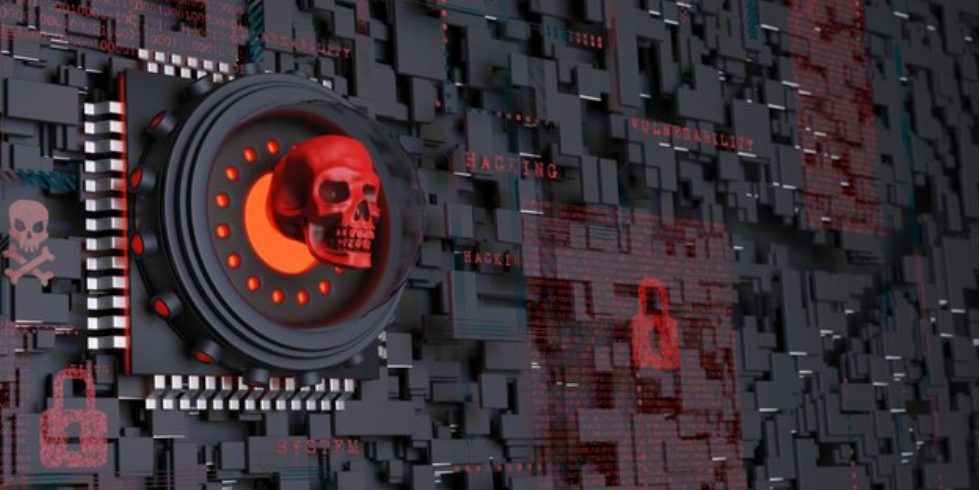
Negative Uses: However, there are also significant negative uses of
deepfake:
- Disinformation and Fraud: Deepfakes have been used to create fake news and misleading videos that spread misinformation and disinformation. This can have serious consequences on society and perceptions of reality.
- Impersonation: Criminals can use deepfakes to impersonate a person’s identity, spreading fake videos that damage the victim’s reputation and can have serious legal implications.
- Harassment and Extortion: Deepfakes can be used to harass or extort people by threatening to spread compromising fake content. This can have a devastating impact on victims’ lives.
- Political manipulation: In the political sphere, deepfakes can be used to manipulate public opinion and destabilise democratic processes by creating false speeches by politicians or other leaders.
- Loss of Trust in the Media: The proliferation of deepfakes can undermine trust in the media and news sources, as it becomes increasingly difficult to distinguish between authentic and manipulated content. This raises serious concerns for democracy and society at large.
Cómo Detectar un Deepfake
Detecting a deepfake can be a challenge, but there are some guidelines that can help:
- Facial Anomalies or Facial Movement: Note any deformities or inconsistencies in facial appearance, such as eyes that blink irregularly, lips that do not match speech, or a face that appears unnatural.
- Voice Inconsistencies: In deepfake videos with audio, pay attention to the voice. Abrupt changes in the pitch, speed or intonation of the voice can be warning signs. Sometimes, audio may not perfectly match lip movements.
- Irregular Lighting and Shading: Examine the lighting and shading in the video for irregularities. Out-of-place shadows or reflections may be indicative of manipulation.
- Check Context: Analyse the context of the content: Does the situation in the video make sense? Would the person in the video have a reason to be in that specific place and time?
- Compare with Reliable Sources: If you have doubts about the authenticity of a video, compare it with reliable sources. Look for authentic videos or images of the same person in similar situations for comparison.
- Detection Tools: Use deepfake detection tools and software. Microsoft Video Authenticator, Deepware Scanner and Amber Authenticate are examples of tools that can help identify deepfakes, although they are not always foolproof.
Consejos para Protegerse del Deepfake
La prevención es clave para protegerse contra los riesgos de los deepfakes:
- Verify the source: Before trusting a video or image, verify the source. It is always safer to consume content from trusted sources.
- Educate Your Loved Ones: Share your knowledge about deepfakes with friends and family. Awareness is essential to reduce the spread of fake content.
- Update Your Passwords: Keep your passwords secure and change them regularly. Deepfakes are also used in phishing attacks.
- Keep your profile private: Limit the amount of personal information you share online. The less a potential attacker knows about you, the less opportunity they have to create malicious deepfakes.
- Stay Informed: Staying on top of the latest detection technologies and threats is essential to protect yourself against ever-evolving deepfakes.