

Children and teenagers today are more connected than ever. With access to the internet through multiple devices, from smartphones to tablets to computers, it is crucial that parents understand how to protect their children in the digital environment.
This is where parental controls come into play, not only as safety tools, but as mechanisms to promote healthy emotional and psychological development.
What are Parental Controls?

Parental controls are tools and settings that allow parents to limit and monitor the content their children can access online.
These tools are available in various forms, including specific software, device configurations and options within applications and internet services.
Benefits of Parental Controls.
Protection against inappropriate content
Real Case: In 2019, Laura, a mother in Madrid, discovered that her 11-year-old son had been accidentally exposed to explicit content while browsing YouTube on his tablet. By implementing parental controls, Laura not only protected her son from future exposure, but also reduced her anxiety by knowing that her son was safe online.
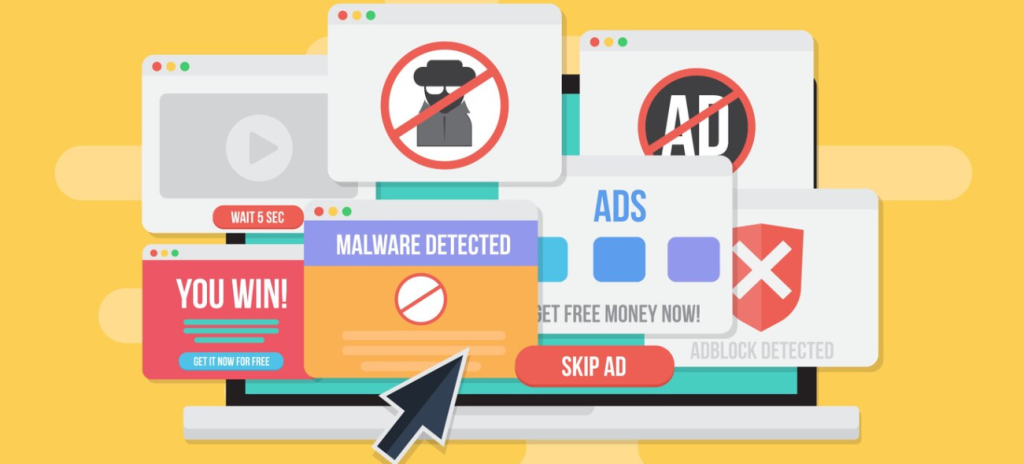
Studies show that early exposure to inappropriate contentcan negatively affect children’s emotional development, increasing anxiety and stress.
Screen time management.
Real Case: In 2020, the family of Javier, a 13-year-old boy in Barcelona, noticed that he was spending too many hours playing video games on his console. They implemented parental controls that limited playing time to two hours a day.
By reducing screen time, Javier was able to participate in more outdoor and social activities, which improved his overall wellbeing and reduced the symptoms of fatigue and isolation he was experiencing.
Online activity monitoring.

Real Case: Marta, a mother in Valencia, discovered through parental controls that her teenage daughter was being contacted by strangers on an online gaming platform. By intervening in time, Marta was able to talk to her daughter about the importance of online safety and privacy.
This type of monitoring not only protects children physically, but also provides them with a sense of emotional security and constant parental support.
Protection against cyberbullying.
Real Case: In Seville, Ana, a mother, noticed changes in her 14-year-old daughter’s behaviour. On checking the messages on her phone using parental control software, she discovered that her daughter was being harassed by a group of classmates through social networks.
Intervening in cases of cyberbullying not only protects children from immediate harm, but also prevents long-term problems such as depression, anxiety and low self-esteem by providing a safe and supportive environment.

Education on the responsible use of technology.
Real Case: In Bilbao, the parents of Lucas, an 11-year-old boy, used parental controls to teach their son about the responsible use of technology. Through discussions and examples, Lucas learned to surf the internet in a safer and more conscious way.
This type of education fosters a healthy relationship with technology and helps children develop critical skills to manage stress and peer pressure in the digital world.
Parental Responsibility in Digital Education.
It is essential to understand that the responsibility for protecting and educating children in the use of technology lies primarily with parents. Although governments, schools and teachers can provide support and resources, constant supervision and education must be done at home.
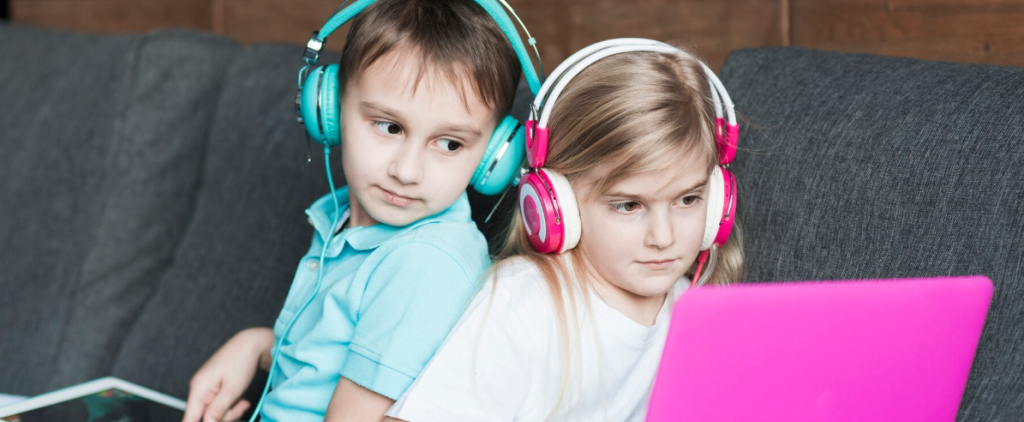
- Direct Responsibility: Parents are the primary role models in their children’s lives. Implementing parental controls and educating about appropriate use of technology is a natural extension of parental responsibility. Children need clear and consistent guidelines about online behaviour and associated risks.
- Open and Continuous Communicationa: Constant communication about online activities and device use is crucial. Establishing an environment where children feel comfortable sharing their online experiences helps parents stay informed and intervene when necessary.
- Do Not Delegate Responsibility: Although schools and teachers can provide lessons on online safety, daily supervision and limit setting should be done at home. Parents should not delegate this crucial task to outside institutions, as their direct involvement has a significant impact on their children’s emotional and psychological well-being.
Cómo Implementar los Controles Parentales
1. Investigate the options available
There are many parental control solutions, from free apps to more advanced subscription services. For example, Julia’s family in Zaragoza decided to use “Qustodio”, an app with a free and a paid version, which allowed them to monitor their children’s online activities and set time limits on various apps.
2. Configure the devices.
Operating systems such as iOS, Android, Windows and macOS have built-in parental control options. Ahmed’s family in Malaga set up parental control options on their children’s iOS devices to restrict access to certain apps and inappropriate content, as well as setting daily usage time limits.
3. Establish clear rules and communicate openly.
Talk to your children about why you are implementing parental controls and set clear rules about the use of technology.
In one family in Grenada, parents discussed with their children the importance of balancing screen time with other activities such as sports and homework. This open communication builds trust and helps children understand that rules are not punishments, but tools for their well-being.

4. Monitor and adjust as necessary.
Monitoring does not end after the initial configuration. Sara’s family in A Coruña regularly reviews their children’s online activity and adjusts the settings as necessary.
They noticed that their youngest daughter started using a new social network more, so they adjusted the controls to include restrictions on that platform as well. This ongoing monitoring ensures that the controls remainrelevant and effective.
5. Teaching cybersecurity skills.
Beyond parental controls, educate your children about good cybersecurity practices. Tomás’ family in Murcia teaches their children not to share personal information, use secure passwords and be aware of online dangers.
This type of education not only protects children physically, but also provides them with psychological tools to handle risky situations..